A Symposium entitled : The Future of Humanity in the Light of Artificial Intelligence: Challenges, Transformations, and Future Prospects
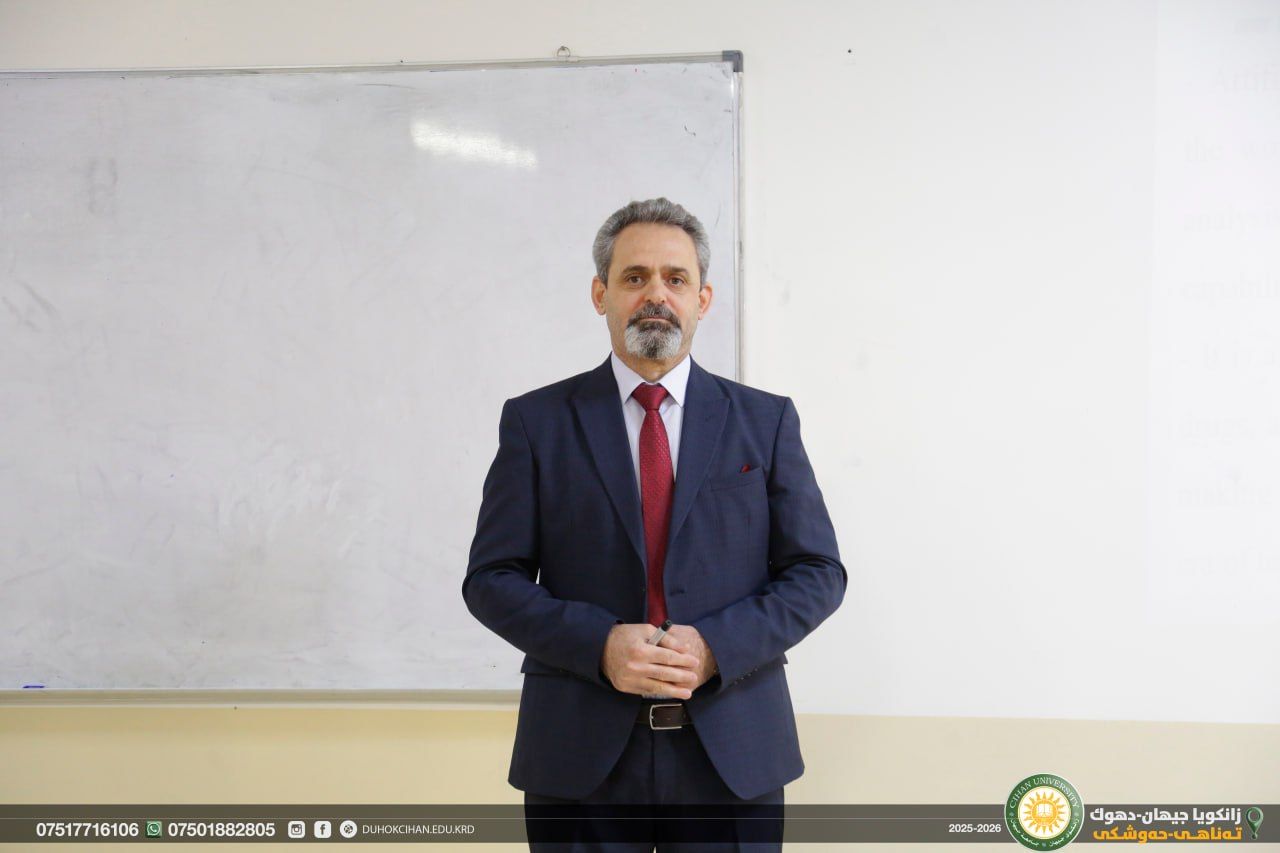
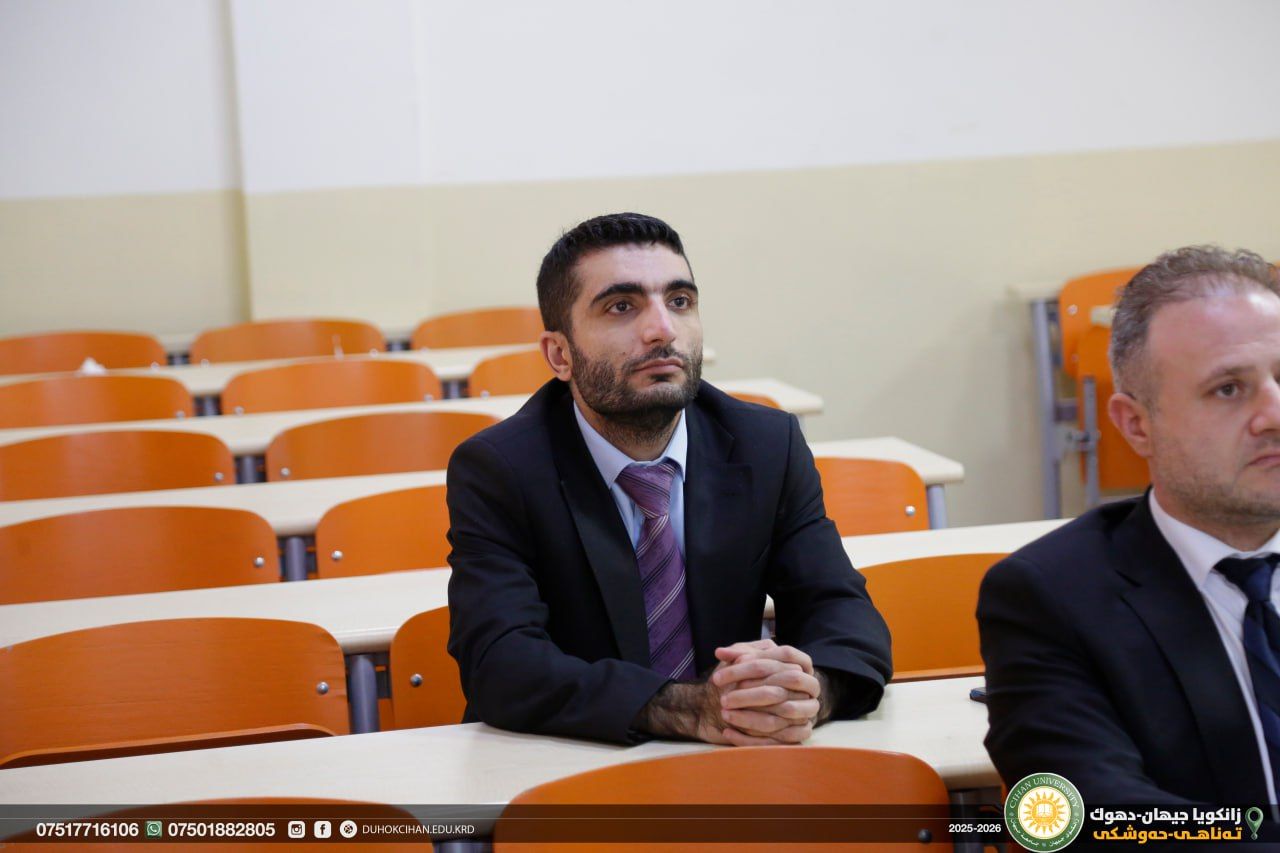
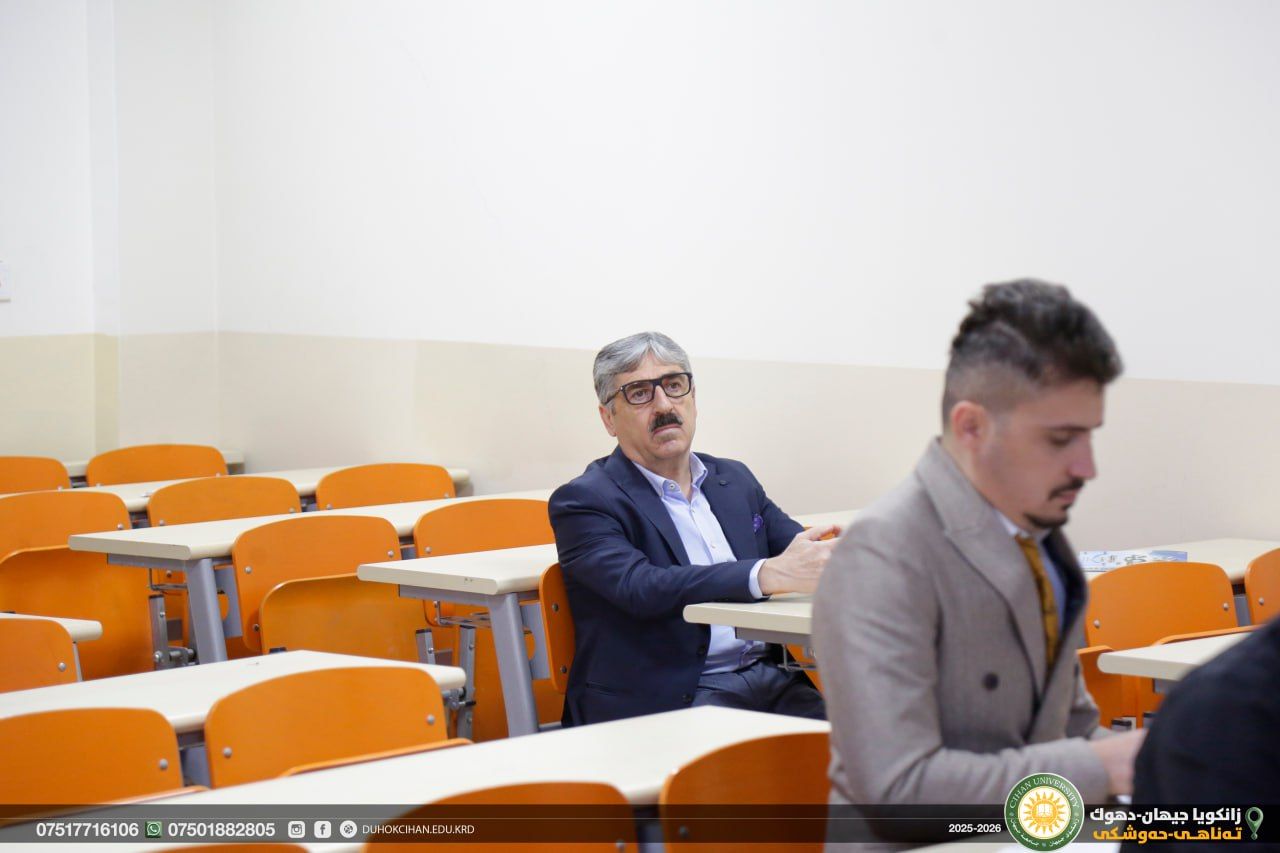
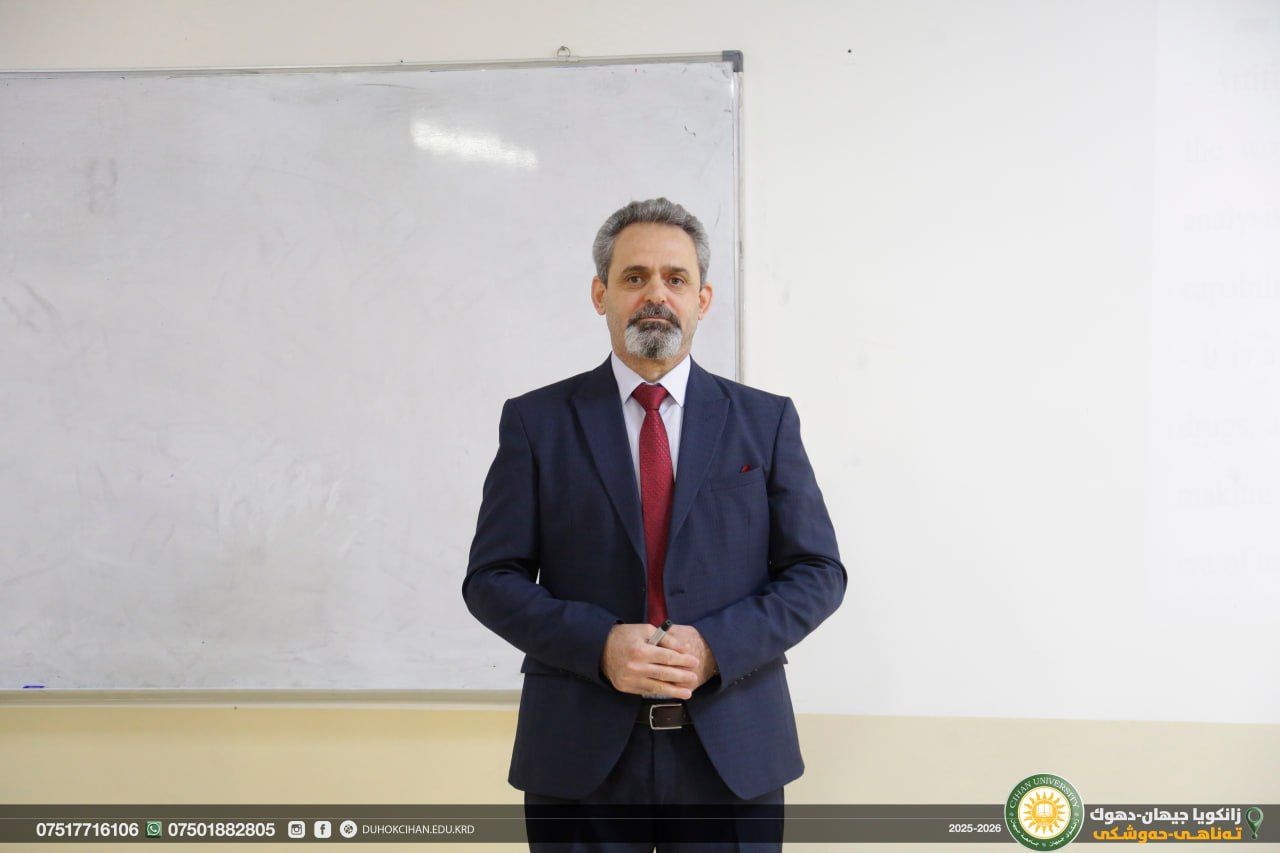
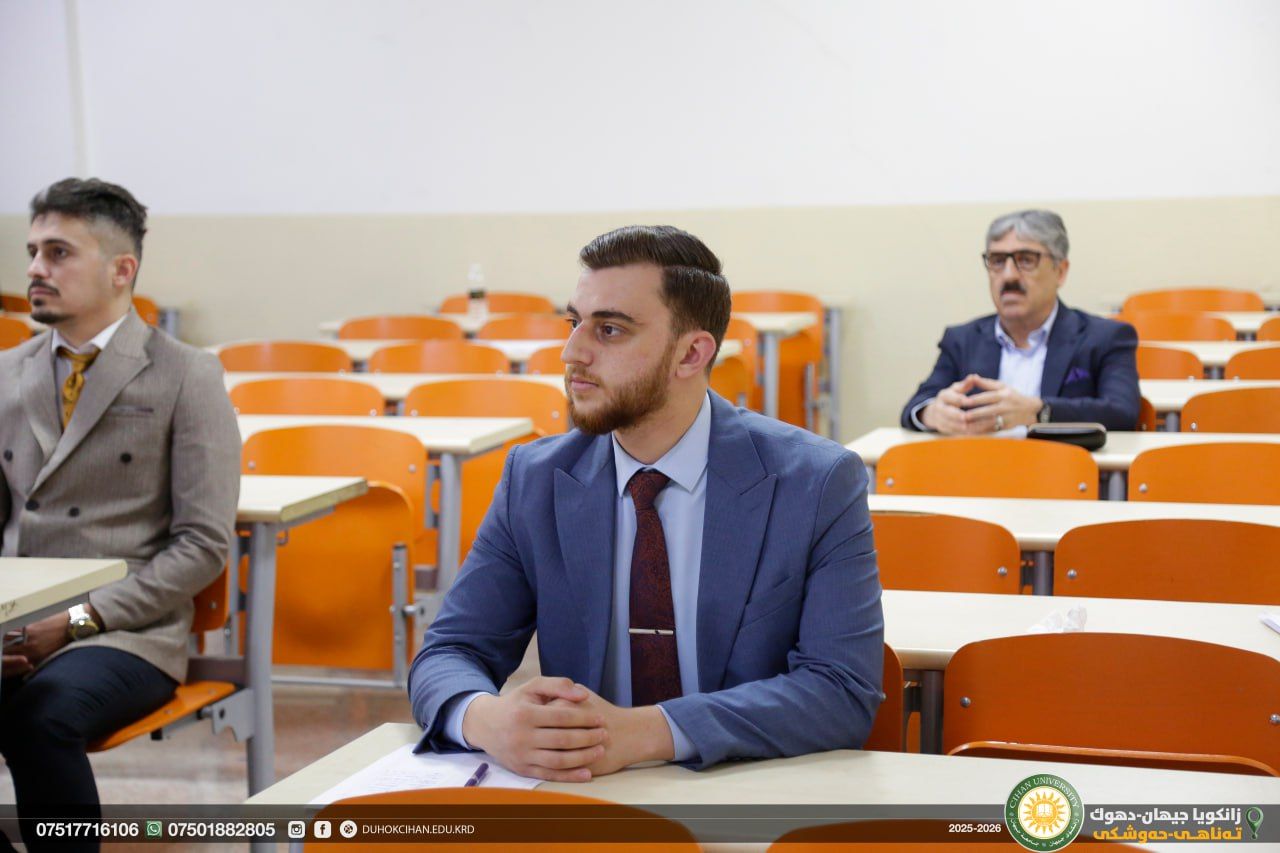
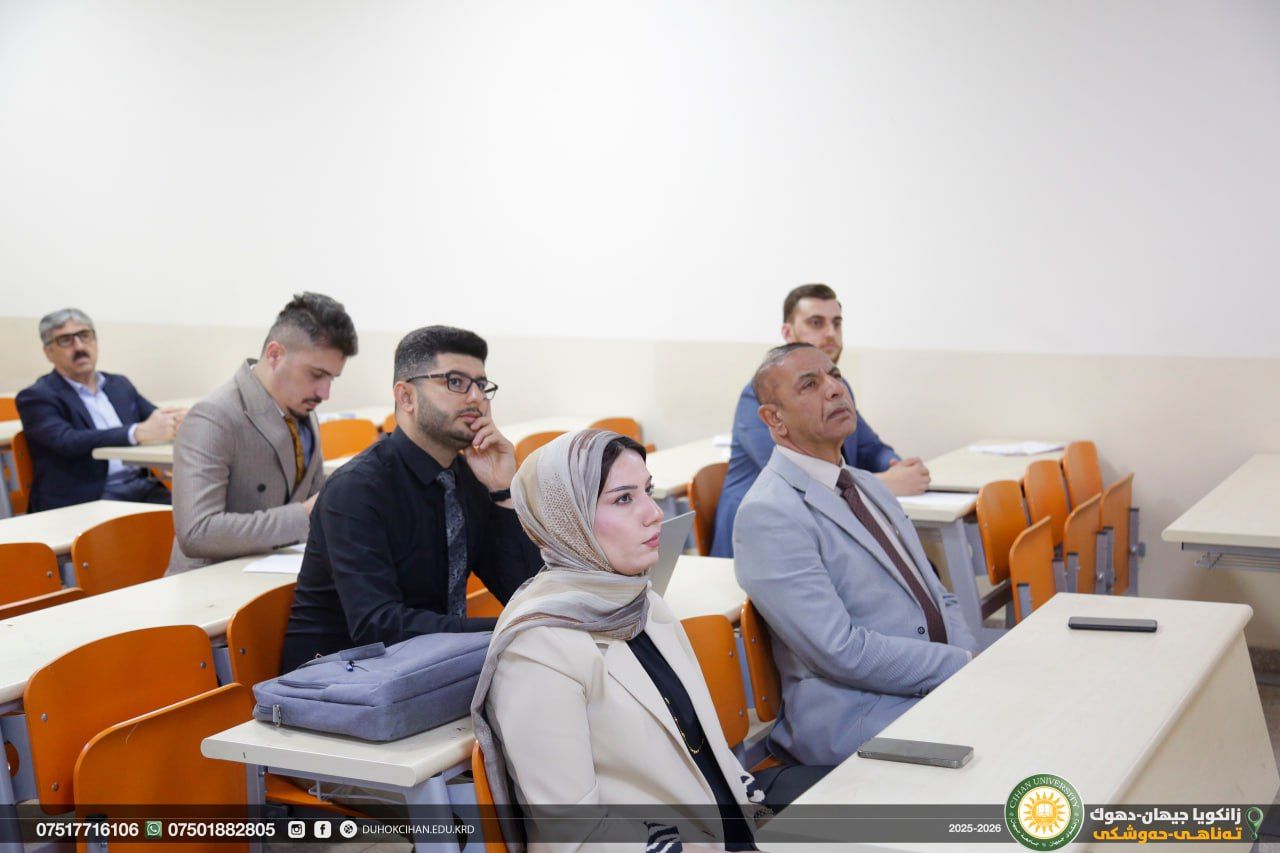
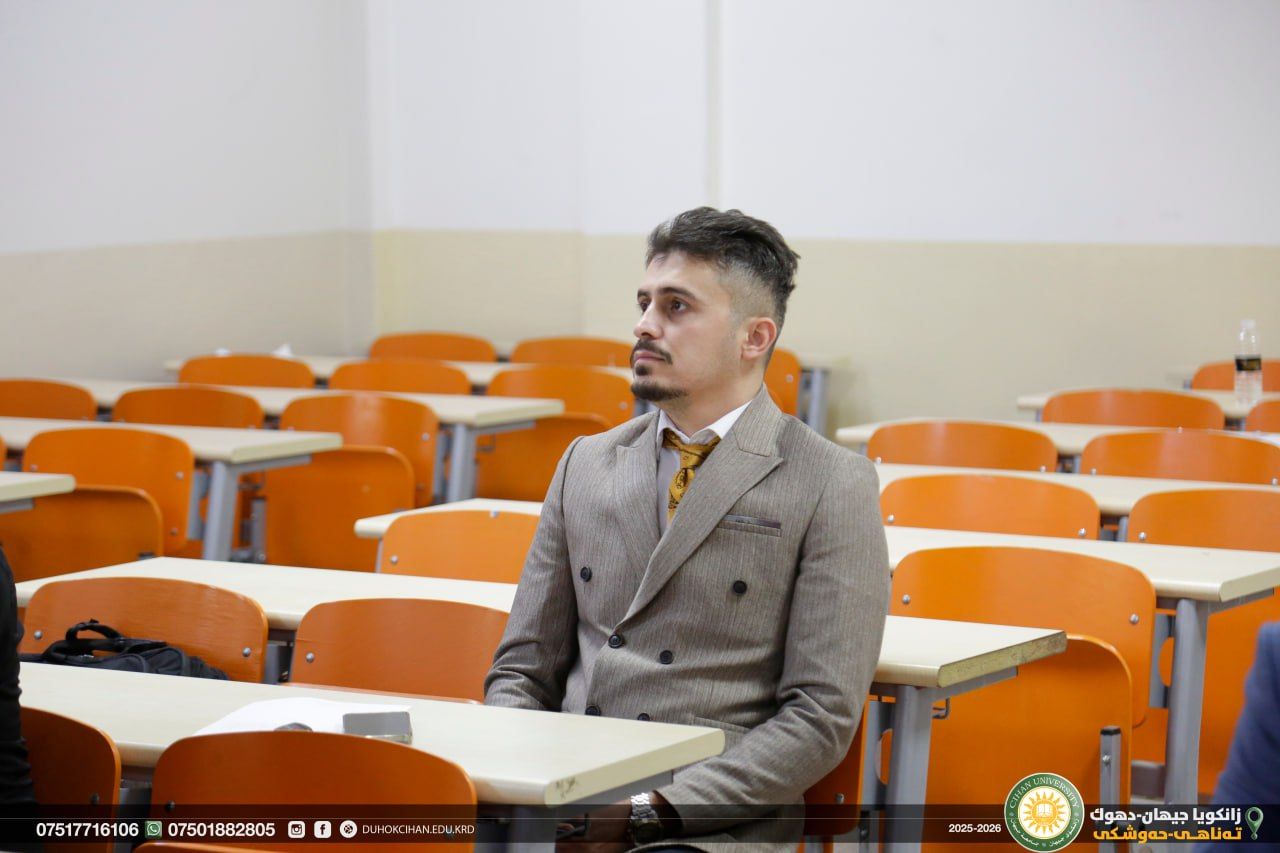
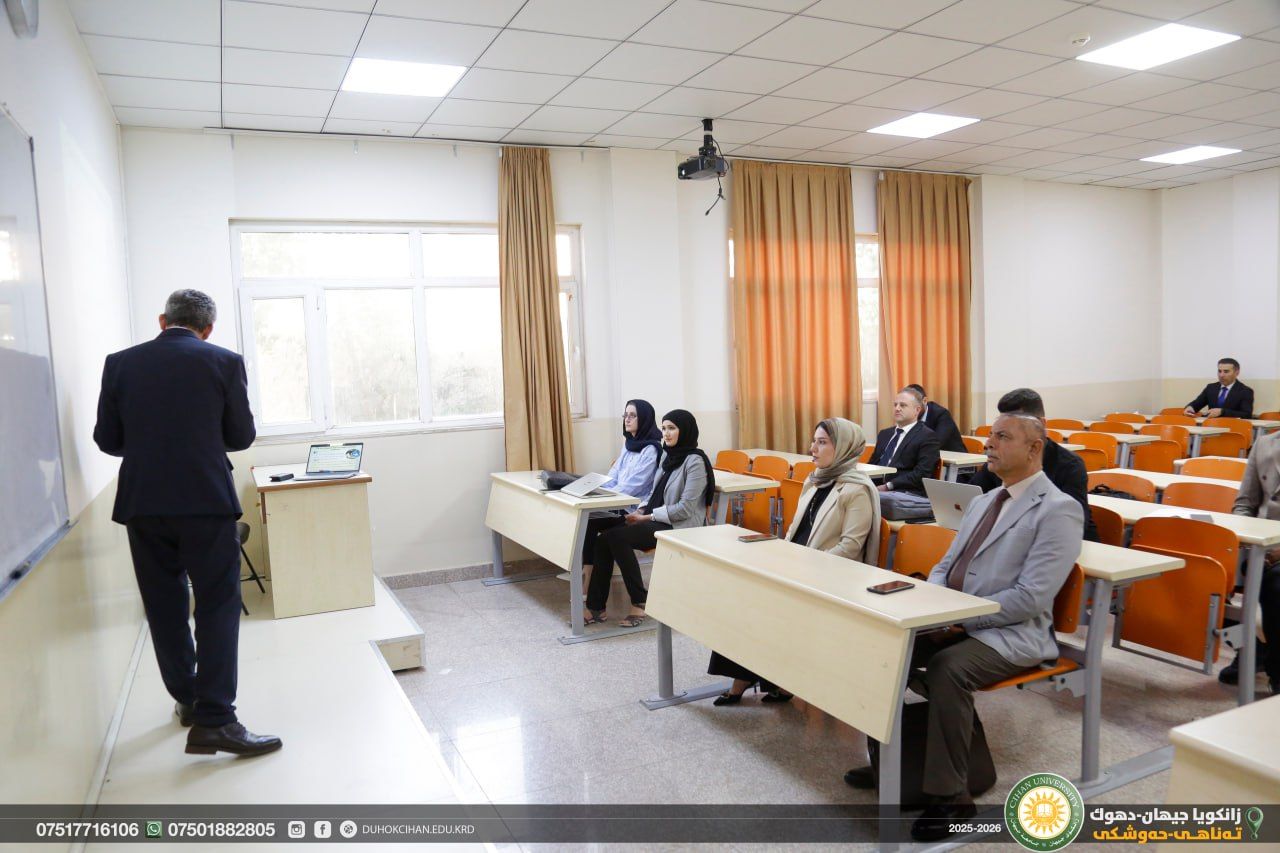
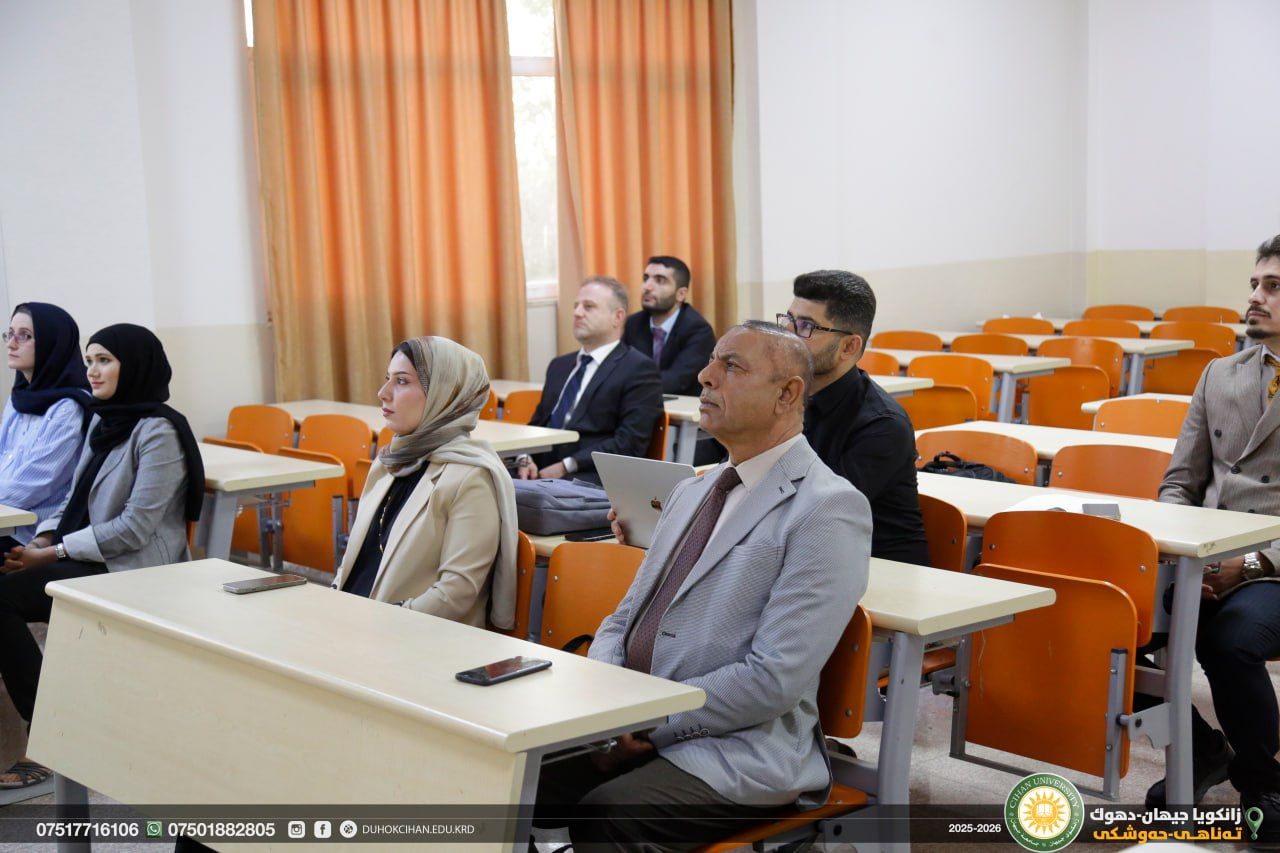
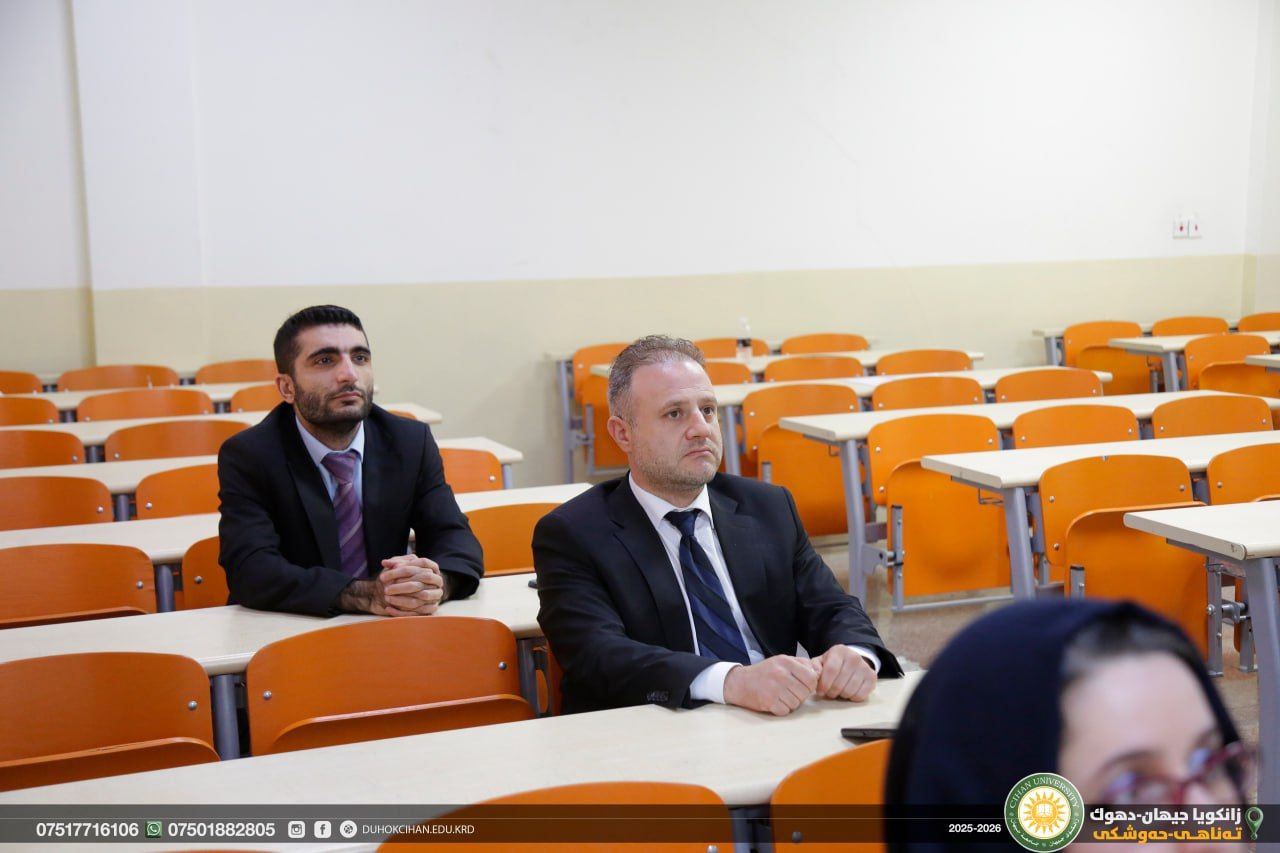
on (Oct 13, 2025) in the presence of the head of departments and lecturer a symposium entitled ( The Future of Humanity in the Light of Artificial Intelligence: Challenges, Transformations, and Future Prospects ), was presented by (Dr. AHMAD ABDULKAREEM SHABAN) from the General Educatuon department , Where it has been explained about, The world is currently witnessing an unprecedented revolution in the field of artificial intelligence, a revolution that is redefining the nature of work, science, education, and even human consciousness itself. Artificial intelligence has become one of the most important drivers of human development in the twenty-first century, but this development carries with it tremendous opportunities and serious challenges.
Humanity today lives in an era of unprecedented transformations at the technological, environmental, and social levels. With the acceleration of scientific development, fundamental questions have emerged about the future of humanity: Will progress contribute to improving the quality of life? Or will it lead to existential crises that threaten the very survival of humanity?
This seminar focuses on analyzing the multiple dimensions of the impact of artificial intelligence on shaping the future of humanity, by exploring the challenges and opportunities posed by accelerating technological transformations in the areas of values, economy, identity, and justice. It also aims to anticipate the potential future trajectories of this phenomenon, with the aim of gaining a deeper understanding of humanity's position and role in the twenty-first century and beyond, At the end of the symposium The future of humanity depends on its ability to use science and technology to serve humanity, not to enslave it. Progress is not measured solely by our knowledge, but by our moral awareness and collective responsibility.
The future is not an inevitable fate, but rather a human choice shaped by will, cooperation, and the belief that humanity is still capable of building a better tomorrow.
Artificial intelligence is not merely a technological development; it is a turning point during human civilization. It will either lead humanity into an era of prosperity and knowledge, or into a phase of dependency and marginalization.
The real stake remains in human awareness and in their ability to balance technological ambition with ethical values. The future, then, is not created by machines alone, but by humans who direct them toward the common good.